

The fashion industry is undergoing a major transformation, and at the heart of this change is sustainable fashion. As consumers become more aware of environmental issues, the demand for eco-friendly and ethical clothing is growing rapidly.
Sustainable fashion focuses on reducing environmental impact, promoting ethical practices, and encouraging mindful consumption. It’s not just a trend—it’s a movement toward a better future.
What Is Sustainable Fashion?
Sustainable fashion refers to clothing that is designed, produced, and consumed in ways that minimize environmental harm and promote social responsibility.
This includes:
- Using eco-friendly materials
- Reducing waste and pollution
- Ensuring fair labor practices
Why Sustainable Fashion Matters
1. Environmental Impact
The fashion industry is one of the largest polluters in the world. Sustainable practices help reduce waste, water usage, and carbon emissions.
2. Ethical Labor Practices
Many fast fashion brands rely on low-cost labor. Sustainable fashion promotes fair wages and safe working conditions.
3. Long-Term Value
Sustainable clothing is often higher quality and lasts longer, reducing the need for frequent replacements.
Key Elements of Sustainable Fashion
1. Eco-Friendly Materials
Organic cotton, recycled fabrics, and biodegradable materials are commonly used in sustainable fashion.
2. Slow Fashion
Unlike fast fashion, slow fashion emphasizes quality over quantity. It encourages consumers to buy less and choose better.
3. Recycling and Upcycling
Reusing old garments and transforming them into new pieces reduces waste and promotes creativity.
How to Build a Sustainable Wardrobe
Buy Less, Choose Wisely
Focus on quality pieces that you can wear for years rather than following every trend.
Support Ethical Brands
Choose brands that prioritize sustainability and transparency.
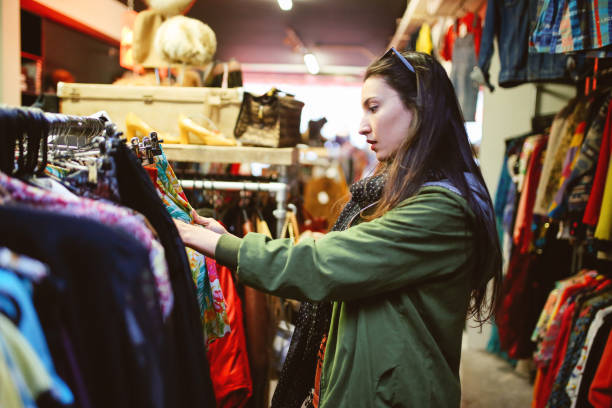
Thrift and Vintage Shopping
Buying second-hand clothing is one of the most effective ways to reduce environmental impact.
Care for Your Clothes
Proper washing and storage can extend the life of your garments.
Sustainable Fashion Trends
Minimalist Wardrobes
Capsule wardrobes with versatile pieces are becoming increasingly popular.
Eco-Friendly Fabrics
Innovative materials like plant-based fabrics are gaining attention.
Transparent Supply Chains
Brands are becoming more open about their production processes.
Challenges in Sustainable Fashion
Despite its benefits, sustainable fashion faces challenges such as higher costs and limited availability. However, increasing awareness and demand are helping overcome these obstacles.
The Role of Consumers
Consumers play a crucial role in driving change. By making conscious choices, individuals can influence brands and encourage sustainable practices.
The Future of Sustainable Fashion
The future of fashion lies in sustainability. As technology advances and awareness grows, eco-friendly practices will become the norm rather than the exception.
Conclusion
Sustainable fashion is more than just a trend—it’s a necessity. By choosing eco-friendly clothing and supporting ethical practices, we can contribute to a healthier planet and a more responsible industry.
Every small step counts, and together, we can create a more sustainable future for fashion.

