
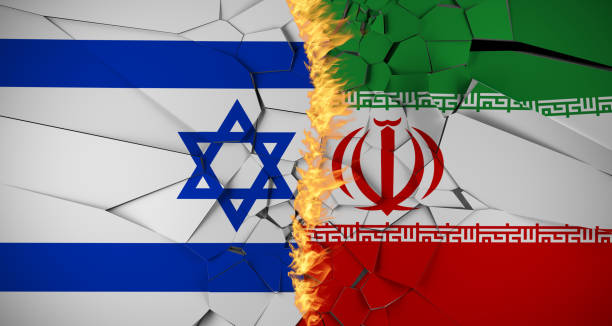

The growing conflict between Iran and Israel has become one of the most alarming global developments in recent years, and it is no surprise that searches for “Iran Israel war and world war fears” are rising rapidly. Across news websites, social media platforms, and political discussions, one question keeps coming up again and again: Could this war turn into something much bigger?
Whenever two major regional powers enter direct confrontation, the concern is never limited to their borders alone. In the case of Iran and Israel, the fear is even more serious because both countries sit at the center of a deeply fragile geopolitical landscape. Their actions influence military alliances, global energy routes, diplomacy, financial markets, and the strategic calculations of some of the world’s most powerful nations.
That is why this conflict is not being viewed as just another regional crisis. For many observers, it feels like the kind of confrontation that could trigger a chain reaction far beyond the Middle East. While not every war becomes a world war, history has shown that some of the biggest global conflicts began with tensions that many people initially underestimated.
In this article, we will explore why the Iran Israel war is creating world war fears, what is making the situation so dangerous, how global powers are reacting, and whether the world is truly at risk of a wider international conflict.
Why the Iran Israel War Feels More Dangerous Than Before
The Middle East has experienced many conflicts over the years, but the current Iran-Israel confrontation feels different to many analysts and ordinary readers alike. The biggest reason is simple: the conflict appears more direct, more regional, and more internationally connected than many previous escalations.
Recent reporting and analysis show the war has spread across multiple fronts, including energy infrastructure, shipping routes, and strikes involving or affecting U.S. interests and Gulf states. Analysts also warn that even if the most intense phase cools, lower-level conflict could continue through cyberattacks, sabotage, and periodic military action.
This matters because once a conflict stops being isolated, the chances of miscalculation increase sharply. A war becomes far more dangerous when:
- Multiple countries feel pressured to respond
- Important military bases are put at risk
- Trade and oil routes are disrupted
- Public pressure pushes leaders toward escalation
- Diplomatic off-ramps become harder to find
The phrase “world war fears” may sound dramatic, but it reflects a real concern: that a regional war could draw in global powers, directly or indirectly.
Why People Are Talking About World War 3
One of the reasons this topic is dominating online searches is because many people now instinctively compare major geopolitical conflicts to the possibility of World War 3. This doesn’t necessarily mean a global war is imminent, but it does show how seriously people are taking the current moment.
The Fear Comes From Escalation, Not Just One Battle
World wars do not usually begin because of one single strike or one isolated incident. They grow out of alliances, retaliation, strategic commitments, and failed diplomacy.
That is exactly why the Iran-Israel conflict worries so many observers.
If one side launches a major attack and the other side responds forcefully, outside powers may feel compelled to step in. Once that begins, the crisis can shift from a bilateral conflict to a wider international confrontation.
The USA’s Involvement Raises the Stakes
One major reason fears have intensified is the role of the United States. Because of its close alliance with Israel and its military footprint in the region, any serious escalation involving Iran can quickly create questions about American involvement.
That alone changes the global risk level.
A regional war is one thing. A regional war that risks pulling in one of the world’s largest military powers is something very different.
How a Regional War Could Spread
To understand why this conflict is triggering global anxiety, it helps to look at how wars expand.
1. Through Alliances
Modern wars rarely stay contained when countries have strong military and political alliances. If one state is attacked or strategically threatened, its partners may feel pressure to provide support.
2. Through Proxy Forces
The Middle East is especially vulnerable to this kind of spread because conflict often moves through armed groups, militias, and allied forces operating in different countries.
That means even if Iran and Israel are the main focus, the effects can appear in neighboring areas very quickly.
3. Through Military Miscalculation
One of the greatest dangers in any high-tension conflict is misreading the other side’s intentions. A move intended as “deterrence” can be seen as preparation for war. A warning shot can be interpreted as the start of a larger campaign.
4. Through Economic and Strategic Chokepoints
War does not spread only through bombs and missiles. It can also spread through energy, shipping, trade, and finance.
When strategic routes become unstable, more countries suddenly have a stake in the outcome.
Why Oil Prices and Global Markets Matter So Much
One of the clearest signs that the Iran-Israel war has become a global issue is the reaction of oil markets and investors.
Reuters and AP report that energy markets have been hit hard by the conflict, with fears centered on disruptions to the Strait of Hormuz, one of the world’s most important oil chokepoints. Brent crude has surged sharply, and governments and central banks are openly warning about inflation and supply-chain risks if the war drags on.
This matters because once war begins affecting the world economy, more governments become involved politically — even if they do not join militarily.
That is one of the reasons world war fears grow so quickly. People understand that a conflict does not have to reach their borders physically to affect their lives.
Ordinary People Could Feel It Through:
- Higher petrol and diesel prices
- Increased inflation
- Expensive food and transport
- Shipping delays
- Stock market volatility
- Travel disruptions
This is how a regional war becomes a global concern.
The Psychological Fear of a Bigger War
Another important reason the phrase “Iran Israel war and world war fears” is trending is psychological.
People around the world are already living in a time of high international tension. In recent years, the public has seen:
- Wars in multiple regions
- Growing military competition among major powers
- Rising nuclear rhetoric
- Global economic instability
- Constant social media exposure to conflict
As a result, many people are mentally primed to expect the worst.
Every new missile strike, emergency summit, or military warning feels like a possible tipping point. Even if governments are trying to avoid a broader war, the public often reacts emotionally to the visible signs of escalation.
That fear is understandable. When the news cycle is dominated by words like airstrikes, retaliation, missile attacks, military buildup, oil shock, and regional escalation, people naturally begin asking whether the world is moving toward a larger disaster.
Could This Actually Become a World War?
This is the question at the heart of the topic.
The honest answer is: it is possible, but not inevitable.
A full-scale world war would likely require the direct and sustained involvement of multiple major powers across different regions. That is still a much higher threshold than what we are seeing now.
However, what makes the situation dangerous is that serious wars do not always begin with leaders intending to create a global catastrophe. Sometimes they begin with limited goals, and then spiral out of control because:
- One retaliation goes too far
- Civilian casualties create overwhelming pressure
- A strategic asset is hit
- Another ally enters the battlefield
- Diplomatic communication collapses
This is why so many analysts focus on containment rather than prediction. The key question is not just “Will there be a world war?” It is also “Can the current conflict be prevented from expanding?”
At the moment, that is where the real battle is taking place — not only in military terms, but in diplomacy, messaging, and crisis management.
Why Diplomacy Matters More Than Ever
When tensions reach this level, diplomacy becomes the thin line between a dangerous conflict and a historic catastrophe.
Even when governments appear aggressive in public, they often continue talking through back channels. That is especially true in crises involving Iran, Israel, and the United States.
Why Diplomacy Is Critical
- It prevents accidental escalation
- It gives both sides a way to step back without appearing weak
- It allows outside powers to pressure restraint
- It creates space for de-escalation after military exchanges
One of the biggest dangers in this type of conflict is when diplomacy becomes politically unpopular. Leaders may fear looking weak in front of domestic audiences, and that can make compromise harder.
But history repeatedly shows that wars become harder to stop once pride, pressure, and retaliation take over decision-making.
How Social Media Is Making World War Fears Worse
There is another major factor driving anxiety: social media.
In today’s world, war does not unfold only on battlefields. It unfolds in real time on phones, timelines, and messaging apps.
This creates a very different emotional environment than past conflicts.
Why Social Media Amplifies Fear
- Breaking news spreads instantly
- Rumors often spread faster than facts
- Old videos are frequently shared as new
- Dramatic claims get more attention than careful analysis
- Propaganda and panic can go viral within minutes
This means many people experience conflict through a constant stream of emotionally charged content, often without enough context.
As a result, fears of a “world war” can intensify long before facts are fully confirmed.
That doesn’t mean the danger is fake — it means the emotional temperature rises much faster than before.
What the World Should Be Watching Now
If you want to understand whether this crisis is moving toward something bigger, there are several signs worth watching closely.
1. Direct Military Escalation
Any major direct strike on strategic targets could significantly increase the risk of a broader war.
2. U.S. Military Posture
Changes in American military readiness, deployment, or messaging could be a major signal of rising danger.
3. Regional Involvement
If more neighboring states become actively involved, the conflict could become much harder to contain.
4. Oil and Shipping Routes
Any worsening disruption in strategic maritime routes would raise both economic and geopolitical pressure.
5. Diplomatic Breakdown
As long as communication remains open, there is still room for de-escalation. If diplomacy collapses completely, the risk rises sharply.
Final Thoughts
The phrase “Iran Israel war and world war fears” is not just a trending search term — it reflects a deeper global anxiety about how fragile the international system has become.
People are not only worried about who strikes whom next. They are worried about whether the world still has the ability to stop major conflicts before they grow out of control.
At this stage, the Iran-Israel war is serious enough to justify concern, but it is still too early to say that a world war is inevitable. What is clear, however, is that the conflict already has global consequences — from oil prices and inflation to diplomacy and regional stability.
That is why the world is watching so closely.
The coming days and weeks will matter enormously. If leaders choose retaliation over restraint, the risks will rise. If diplomacy manages to create an off-ramp, the worst-case scenario may still be avoided.
For now, the biggest truth is this: the fear of a wider war is real because the stakes are real.
And that is exactly why this conflict has the whole world on edge.

